Physiotherapist & Occupational Therapist Jobs in Perth & Regional WA

Join Auscare Staffing as Physiotherapist & Occupational Therapist

Explore Physiotherapist & Occupational Therapist Jobs

Physiotherapist & Occupational Therapist Positions

Are you a passionate Physiotherapist or Occupational Therapist looking for flexible and rewarding work in Western Australia? We provide skilled allied health professionals with a wide range of opportunities across aged care, disability support, hospitals, and community health settings.

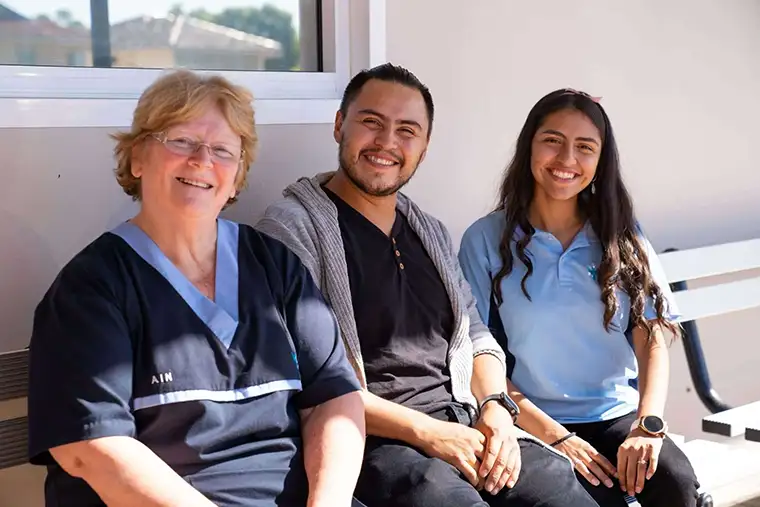
Dedicated perth healthcare staff member

The Ideal Candidate Will Have:

Registration with AHPRA

  • Physiotherapists must be registered with the Physiotherapy Board of Australia.
  • Occupational Therapists must be registered with the Occupational Therapy Board of Australia.

Current National Police Clearance Certificate
You must have a valid National Police Clearance Certificate, issued within the last 6 months.

NDIS Worker Screening Check (if possible)
A valid NDIS Worker Screening Check is preferred for roles supporting people with disabilities.

Clear Verbal and Written Communication Skills
Strong communication skills are essential in providing the best care and support to clients.

Knowledge of Aged Care Quality Standards
An understanding of the Aged Care Quality Standards is essential to ensure compliance and the delivery of safe, person-centred care.

If you meet these qualifications and are eager to make a difference in the lives of those in need, apply today and join our dedicated team of healthcare professionals.

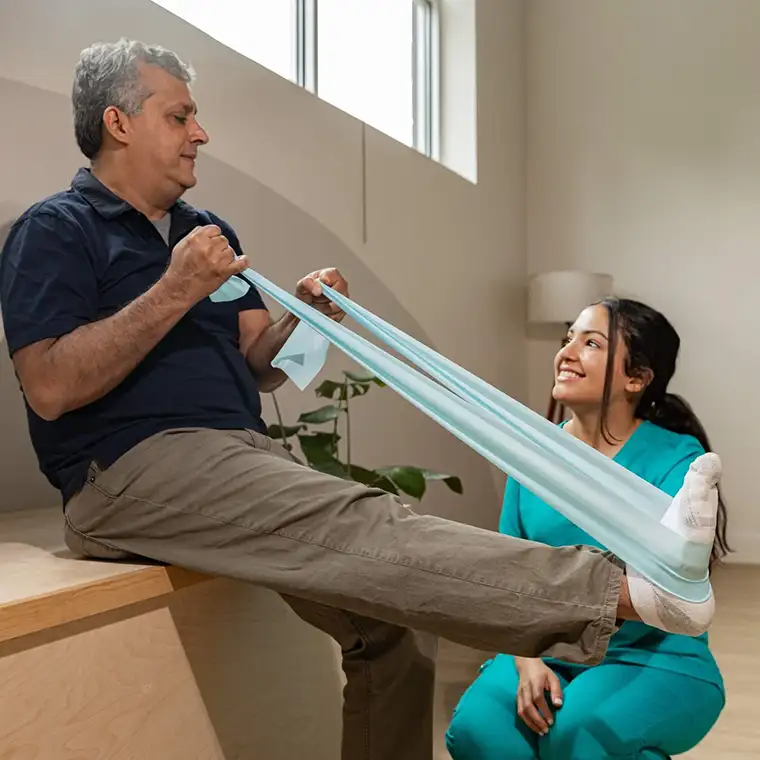
Qualified Physiotherapist assisting a client to regain mobility with resistance band exercises

Key Responsibilities of a Physiotherapist & Occupational Therapist

  • Assess and Diagnose: Conduct thorough evaluations to diagnose and assess patients’ physical and functional conditions, identifying areas that need improvement.

  • Develop Personalized Treatment Plans: Create tailored treatment plans to address specific physical limitations, enhance mobility, and promote independence in daily tasks.

  • Rehabilitation and Recovery: Guide patients through rehabilitation processes, assisting them in regaining strength, mobility, and the ability to perform essential tasks.

  • Patient Education: Educate patients on exercises, stretches, adaptive techniques, and tools to improve their physical health, functional independence, and prevent future injuries.

  • Adaptive Equipment Guidance: Recommend and instruct on the use of adaptive equipment, enabling patients to perform daily activities more effectively.

  • Monitor and Adjust Progress: Regularly assess patient progress, making necessary adjustments to treatment plans to ensure optimal outcomes.

  • Collaborate with Healthcare Teams: Work closely with doctors, nurses, and other healthcare professionals to provide coordinated, holistic care and enhance patient recovery and independence.